October 1, 2026 · Retro Kicks
How to Lace Sneakers: 7 Styles That Change Your Whole Fit

Two people can wear the exact same sneaker and look completely different, and lacing is often the reason. The way you run your laces changes how the shoe sits on your foot, how it photographs, and how the whole outfit reads. It is also free — the one upgrade you can make to a pair you already own.
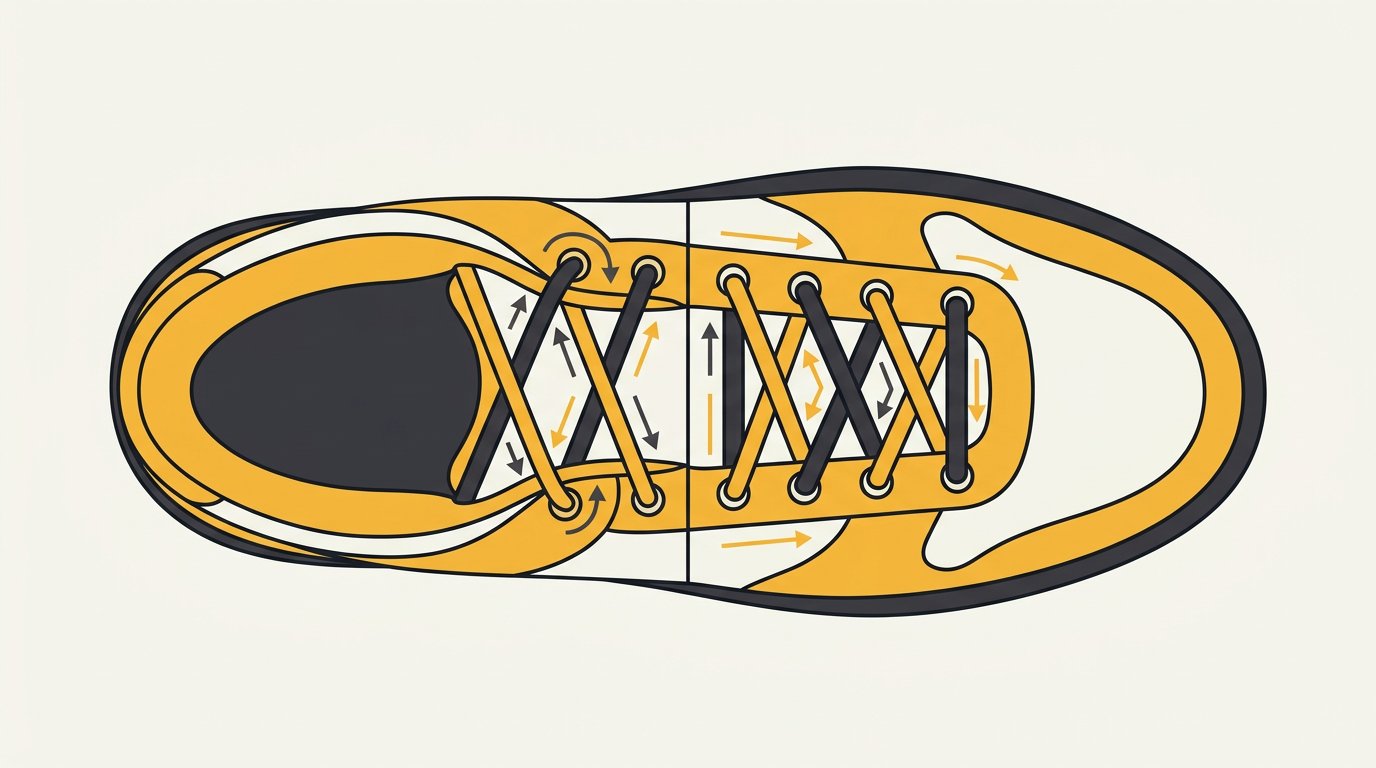
Why lacing style matters more than you think
Lacing does two jobs at once: it sets the fit (how locked-in your foot feels) and the look (how the face of the shoe reads). Most people never change the factory pattern — which means most people are walking around in the same default criss-cross. Below are seven styles, from clean and minimal to loud and expressive.
The 7 styles (step by step)
1. Straight bar lacing — the clean look
Laces run straight across the top in parallel bars, with the crossing hidden underneath. The result is a flat, tidy face that suits minimal sneakers. It also slightly reduces pressure across the top of your foot.
Best for: Air Force 1s, Chuck Taylors, any clean mono-colour pair.
2. Classic criss-cross — the default, done right
Run the laces over the bottom eyelets and cross up the shoe, pulling snug at every crossing so the tongue stays centred. Finish with a standard knot tucked to the side.
Best for: everyday wear, running silhouettes like the Gel-NYC or ABZORB 2000.
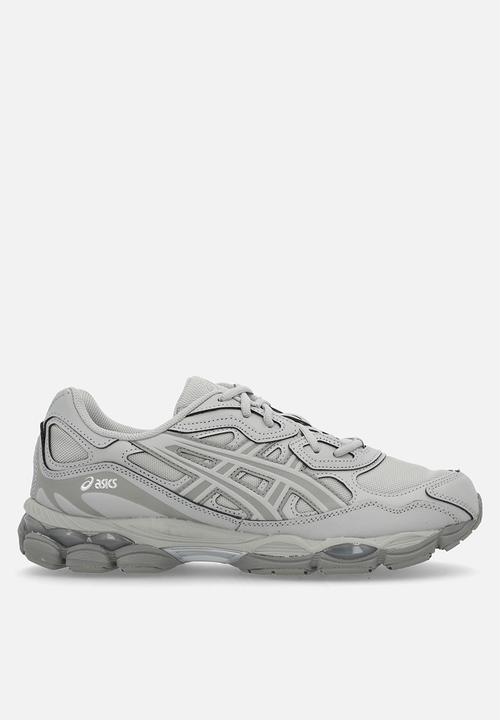
3. Loose-laced streetwear style
Lace normally, then deliberately relax the top two or three eyelets so the tongue sits forward and the shoe slouches slightly. Born on skate decks, now standard on Dunks and retro runners. Keep the lower crosses snug — loose all the way down looks sloppy, not street.
Best for: Dunk Lows, retro Jordans, wide-feet comfort.
4. Ladder lacing — the lockdown
Vertical runs along the sides connected by horizontal rungs, like a ladder. It looks technical and holds the foot firmly with even pressure. If your heel slips or you wear your sneakers for long walking days, this is the functional pick.
Best for: chunky runners, high-tops, all-day comfort.
5. Zipper lacing — the head-turner
A decorative pattern that looks like a zip running up the shoe. It takes a few tries to get symmetrical, but on a plain colourway it turns a quiet sneaker into the loudest thing in the fit. Use flat laces for the crispest result.
Best for: single-colour sneakers where the lacing becomes the design.
6. The two-tone lace swap
The fastest way to change a shoe’s whole personality: pull the stock laces out and run a contrasting colour. Grey sneakers with red laces, all-white with black. Keep the pattern simple and let the colour do the talking.
7. Hidden knot — the minimal finish
Tie the knot behind the tongue instead of on top of it. Nothing shows — a clean face with no bow. Do it once, properly tight, and you can slide the pair on and off without re-tying.
Best for: photos, mono-colour minimal fits.
How tight should your sneakers actually be?
Snug enough that the heel doesn’t lift and the foot doesn’t slide forward, loose enough that you can wiggle your toes freely. If you feel pressure points after twenty minutes, re-lace and skip the eyelet at the pressure point. And if the fit is wrong at the base level, no lacing style fixes that: check our sneaker size guide for South Africa first.
Frequently asked questions
How long should replacement laces be?
Low-tops: 100–120 cm. Mid-tops: 120–140 cm. High-tops: up to 160 cm.
Can you wash sneaker laces?
Yes — most cotton and synthetic laces wash fine in a pillowcase on a gentle cycle, or by hand in warm water with soap. Air-dry fully before re-lacing.
Which lacing style is best for wide feet?
Straight bar lacing, or skipping the bottom eyelets on a criss-cross — both relieve pressure across the forefoot.
Change the laces, change the fit.
Authentic pairs · nationwide delivery · free over R1,500
