October 11, 2026 · Retro Kicks
How to Break In New Sneakers Without the Blisters

Nothing kills new-sneaker joy like a blister on day one. The good news: break-in pain is almost always avoidable, and the fix isn’t “wear them until they stop hurting” — it’s a short, deliberate process that moulds the shoe to your foot instead of punishing it.
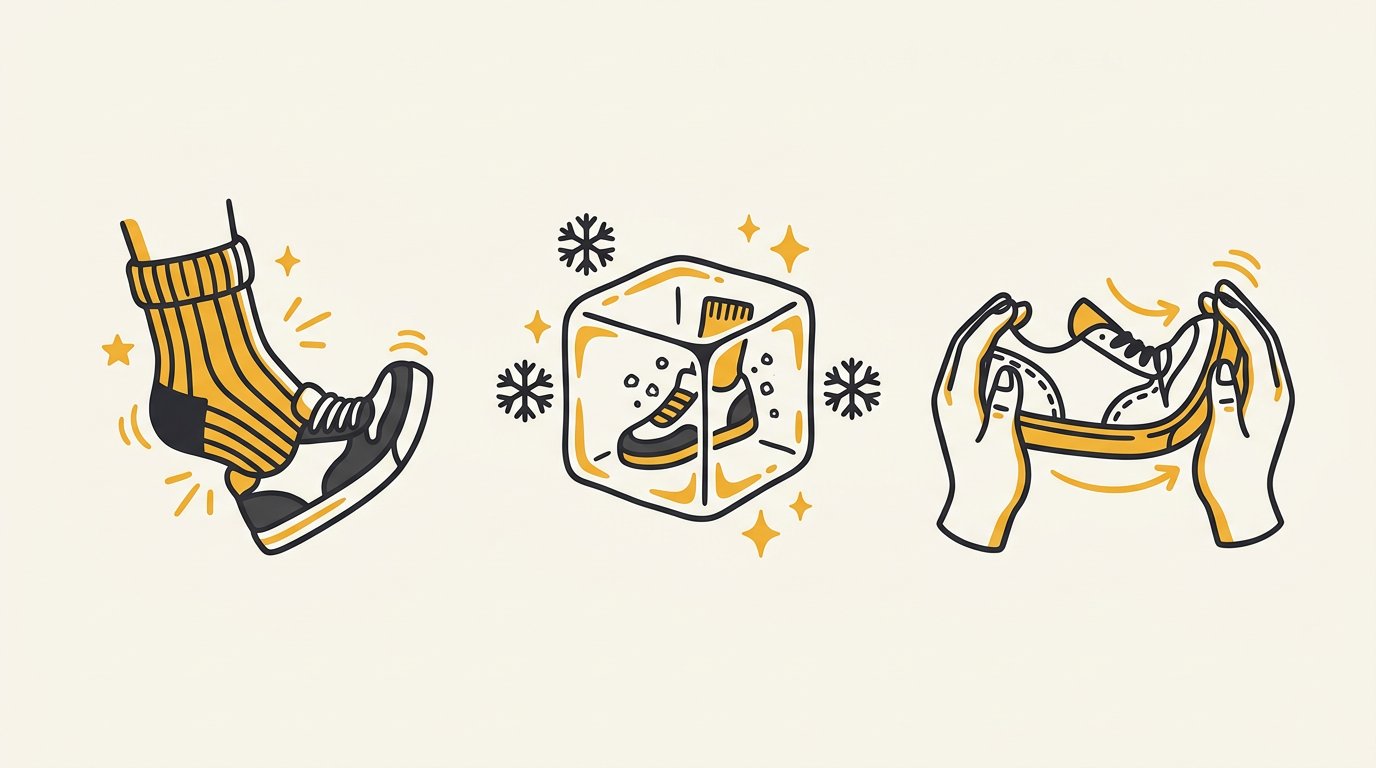
Why new sneakers hurt (and which parts)
Fresh out the box, three parts of a sneaker are stiff: the midsole (the cushioning layer), the upper (especially leather and stiff mesh), and the heel counter (the structured back that grips your heel). Factory materials need movement and body heat to soften and take your foot’s shape.
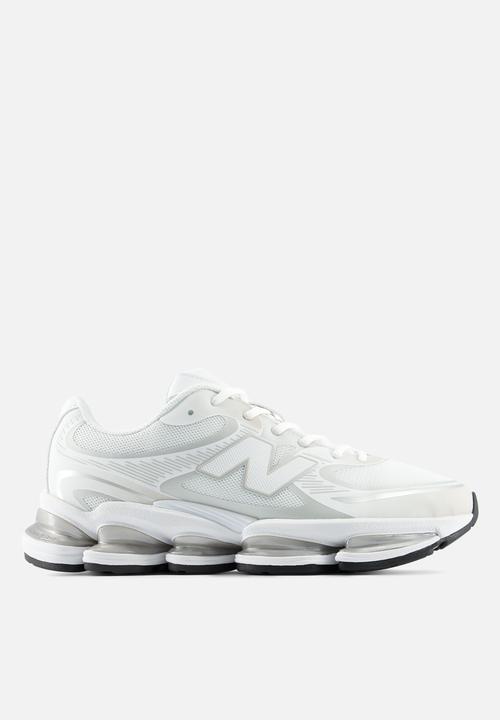
Leather and chunky cushioned runners take longest to break in — think New Balance ABZORB builds and leather Air Force 1s. Knit and soft-mesh uppers are usually comfortable within a wear or two.
Break them in: 5 steps
Mistakes that ruin good pairs
- The wet-towel trick. Dampening sneakers and wearing them until they dry can work on leather — but it warps padding and midsoles on modern runners. Skip it.
- Heating with a hairdryer. Direct heat can crack leather and damage foam cushioning. Softening needs body heat and movement, not a blowlamp.
- Wearing them all day on day one. The classic blister recipe. Break-in is a staircase, not a cliff.
- “They’ll stretch.” Uppers give a little — length never does. If your toes hit the front, no amount of breaking in fixes that.
Frequently asked questions
How long does it take to break in sneakers?
Most pairs need 3–5 short wears. Leather and chunky-cushioned models take longest; knit uppers can feel perfect on day one.
Are sneakers supposed to hurt at first?
Mild stiffness is normal. Sharp pain, numbness or toe pressure is not — that usually means the size or shape is wrong for your foot.
Does putting sneakers in water help break them in?
No — water can warp modern midsoles and padding. Body heat, movement and time do the job safely.
How do I stop the back of the shoe rubbing my heel?
Thicker socks, a plaster pre-emptively on the hotspot, and snug top-eyelet lacing to lock the heel in place.
